
Contents
About the author

Edward A. St. Germain created AmericanRevolution.org in 1996. He was an avid historian with a keen interest in the Revolutionary War and American culture and society in the 18th century. On this website, he created and collated a huge collection of articles, images, and other media pertaining to the American Revolution. Edward was also a Vietnam veteran, and his investigative skills led to a career as a private detective in later life.
Contents
The economy of Virginia Colony was predominantly based on tobacco cultivation and export, though the province had a number of other smaller industries as well.
Tobacco
When Virginia was first settled, the colonists immediately began searching for ways to economically sustain themselves.
Initially, this was a struggle. Settlers searched for gold but had trouble finding it, and early industries such as glassmaking, lumber, and alcohol production failed to get off the ground, partly because the colonists were dedicating their time to subsistence farming to ensure their own survival.
This all changed in 1610, when a merchant named John Rolfe brought over a new strain of tobacco from the island of Trinidad in the West Indies.
The new type of plant was sweeter than the native strains of tobacco found in North America, and was very popular in Europe.
In 1614, exports of the new tobacco crop began, which turned around the economic hopes of the Virginia Colony, and ensured its survival. Previously, it looked like the province’s settlements may be abandoned just a few years after establishment.
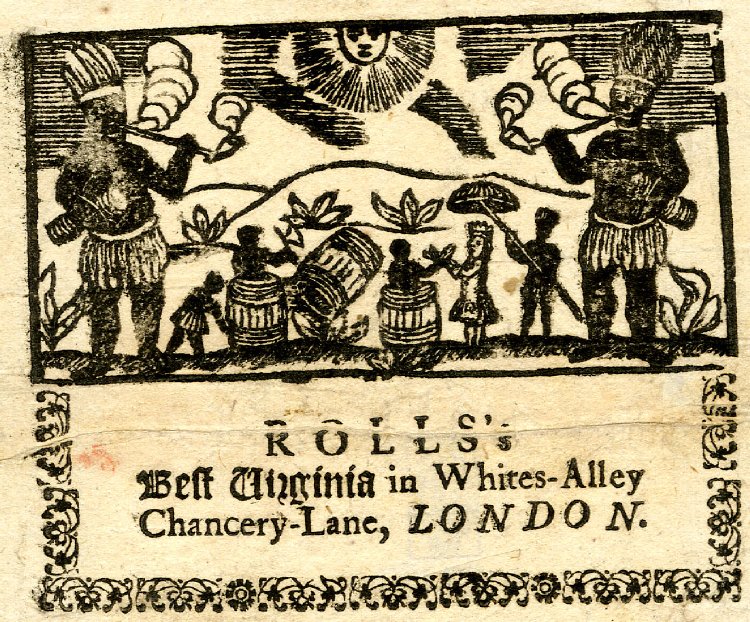
From this point on, tobacco became a key cash crop for Virginia throughout its colonial history, with plantations established across the colony.
Slave labor was essential to the success of the plantations, many of which became extremely large, especially in the 1700s. Many plantation owners were very wealthy, and became some of the most powerful people in society.
Slaves
By 1700, the black population of Virginia was estimated to be 16,390, the majority of which were slaves imported from Africa. This represented about 28% of the total population.
Many indentured servants from Europe also worked on plantations, especially early on, committing to work for free for a period in return for their passage to North America.
But in the 18th century, plantations grew rapidly, supporting an explosion in slave numbers. By 1790, Virginia had 293,000 slaves, by far the most of any US state, and making slaves one of the biggest imports of the colony for much of its later colonial history.
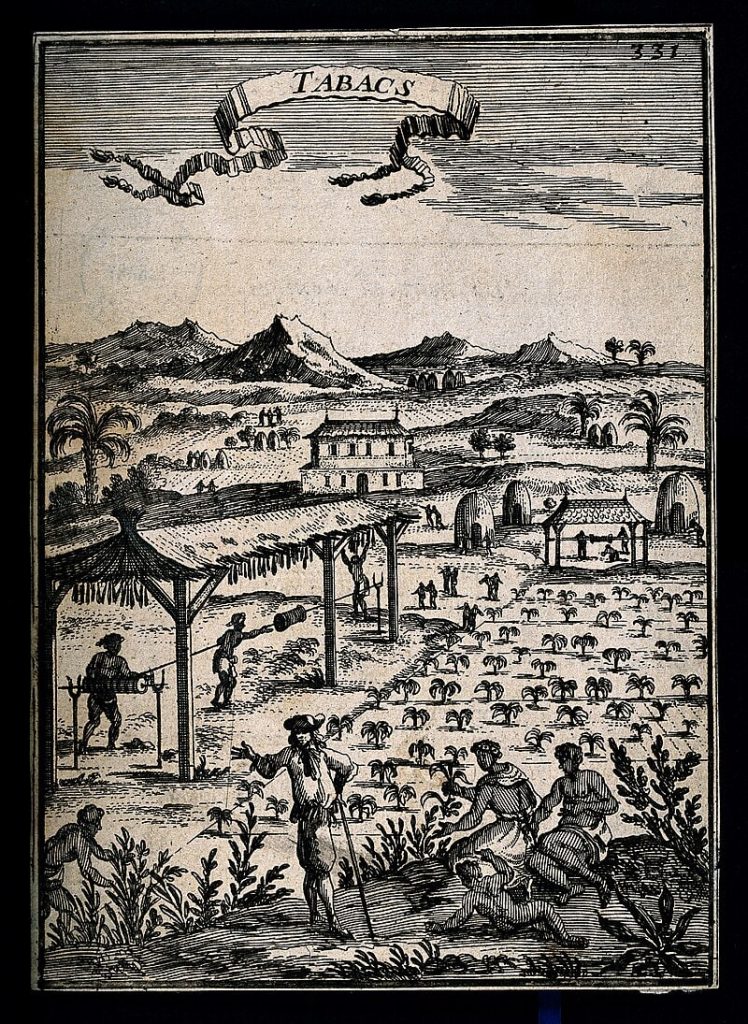
Though the majority of Virginia’s slaves worked on plantations, many were also put to work as household servants, in the lumber industry, at the docks, and in other types of agriculture and other industries as well.
Lumber
Virginia had an abundance of forests, resulting in the lumber industry quickly becoming established in the colony.
The first colonists knew that exporting Virginian timber would be profitable, but did not have the time to focus on forming the industry until tobacco was established as a cash crop.
Virginia’s lumber industry was centered around its waterways, such as the James and York Rivers, to allow for easier transport of logs to sawmills. Gradually, the industry moved west as lumber supplies around Jamestown and Williamsburg dwindled.
The lumber was used for a wide variety of purposes, including creating barrels, building ships and houses, and putting up fencing.
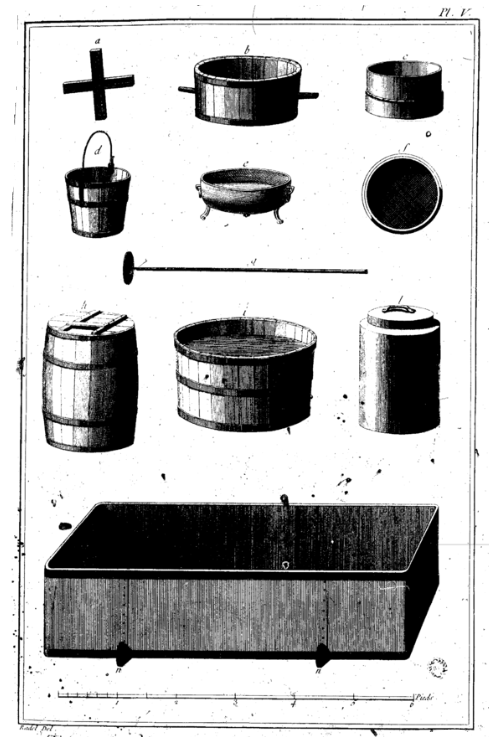
A large quantity of lumber and finished lumber products was also exported to Europe and the West Indies.
The Caribbean for example had limited local timber supplies, and products such as barrels were in high demand among merchants exporting sugar and molasses.
Agriculture
Tobacco crops very quickly deplete soil nutrients, meaning that plantation owners continually had to move westward as the soil became exhausted.
Therefore, beginning in the early 1700s, many farmers began to focus more on food crops such as wheat, which were less nutrient-dependent.
Wheat was milled into flour locally, and other crops such as corn, rye, and oats were also grown.
Farmers also kept cattle and hogs, though their pork, leather, and beef was primarily consumed domestically rather than exported abroad.
Virginia did have agriculture in the 1600s, but it was predominantly centered on small, subsistence farms, where families primarily grew crops for their own consumption, with small surpluses sold locally.
Once tobacco was established as a cash crop, Virginia imported a significant portion of its food from elsewhere in America, especially the Middle Colonies, which had a stronger focus on food production.
Iron
While early settlers struggled to find gold in the colony, Virginia did have a small-scale iron industry, which became more established in the 18th century.
Iron ore was mined in areas such as the Piedmont and Shenandoah and Great Valleys, before being smelted at local ironworks. The first blast furnace in British North America was created near Richmond in 1619, though it was destroyed in an Indian raid three years later.
Finished iron products such as nails and horseshoes were created, especially for domestic use, but most of Virginia’s iron exports were in the form of raw material – pig iron (unrefined) or bar iron (refined).
This was mostly due to British trade law, which aimed to limit colonial exports of finished iron products to protect the British iron industry.