Contents
About the author

Edward A. St. Germain created AmericanRevolution.org in 1996. He was an avid historian with a keen interest in the Revolutionary War and American culture and society in the 18th century. On this website, he created and collated a huge collection of articles, images, and other media pertaining to the American Revolution. Edward was also a Vietnam veteran, and his investigative skills led to a career as a private detective in later life.
Contents
Delaware was a religiously diverse colony founded on Quaker principles, and was home to a number of other religious denominations such as Lutherans, Mennonites, and Presbyterians.
Founding and British capture
Delaware has a varied history, which contributed to its later cultural and religious diversity.
The territory that would later become Delaware Colony was first settled by the Swedish in 1638, who were predominantly Lutheran. Then, these settlements were captured by the Dutch in 1655, who were Calvinist Protestants, organized under the Dutch Reformed Church.
These Dutch territories in America were seized by the British in 1664. At this point, large numbers of English, Scottish, and Welsh settlers began to migrate to the region, bringing with them denominations such as Anglicanism and Quakerism.
Some Dutch groups faced persecution by the British upon their capture of the territory. For example, a Mennonite settlement founded by Pieter Cornelisen Plockhoy near Lewes was immediately destroyed.
On the whole though, the British were relatively tolerant of the existing settlers in New Netherland, including in Delaware. Swedish and Dutch populations were allowed to stay if they chose to, rather than being forced to leave the territory. They were also permitted to continue practicing their own variations of Christianity.
As a result, the initial religious makeup of Delaware was very diverse, even before it officially became one of the Thirteen Colonies.
Early Quaker influence under Penn
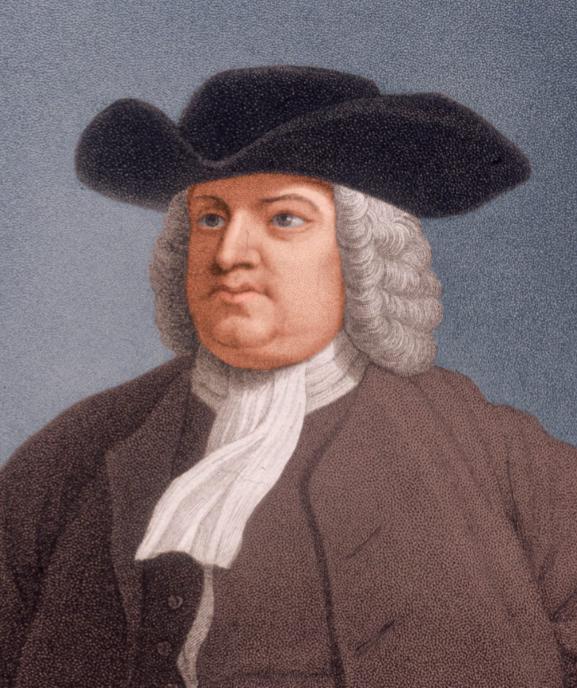
William Penn gained control of Delaware in 1682, a year after he was granted a charter over Pennsylvania.
Initially, Delaware was a self-governing region of the Province of Pennsylvania. The three counties that later became Delaware, namely New Castle, Kent, and Sussex, were effectively part of Pennsylvania to begin with.
Under Penn’s control, Pennsylvania (including Delaware) inherited Quaker principles, meaning all forms of Christianity were welcomed, including in government. Other religions, such as Judaism, were tolerated, though there were few Jewish people in Delaware in the colony’s early history.
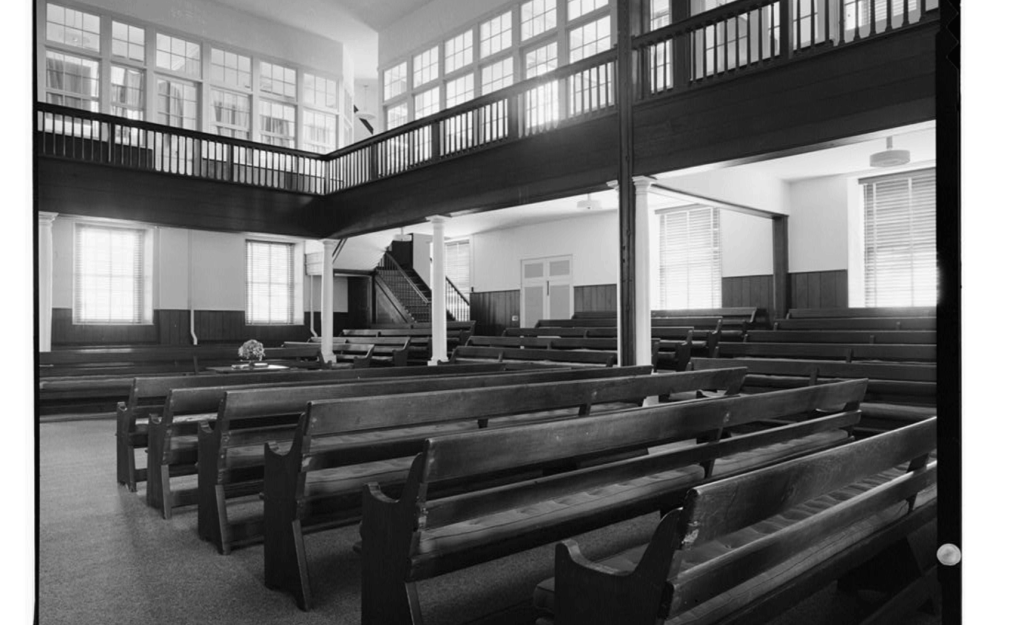
Many people migrated to Delaware from other American colonies that did not allow them to freely practice their specific denomination of Christianity, such as Mennonites, Quakers, and Amish populations. Lutherans and Presbyterians were still welcomed in the colony.
Early 1700s: Delaware becomes independent
In 1701, Penn finalized the Charter of Privileges, which defined how Pennsylvania (including the lower three counties) was to be governed, and the religious principles that society would be based on.
Under the Charter:
- Society was established based on the principle of “liberty of conscience” – the freedom to hold one’s own religious and moral beliefs.
- All monotheists (people who believed in one God) were granted freedom to practice their religion. This covered Christians, Jews, and Catholics. Though the Charter promises liberty of conscience, it did not grant complete religious freedom.
- Participation in government was limited to Christians. Elected officials had to “profess to believe in Jesus Christ.”
In practice, Delaware was religiously diverse, and much more tolerant than many of the other Thirteen Colonies, especially Massachusetts and Virginia. There was no official religion in the colony.
However, Catholics were still widely distrusted due to ongoing conflict with Protestant sects. In practice, the few who lived in Delaware were excluded from running for office or participating in government.
Eventually, in 1704, Delaware gained independence from Pennsylvania, establishing its own legislative assembly, although the two colonies shared the same governor until they each achieved statehood.
Religious diversity expands
In the early 1700s, Anglican populations under the Church of England were growing in Delaware, especially in wealthier areas, as greater numbers of English settlers moved to the colony.
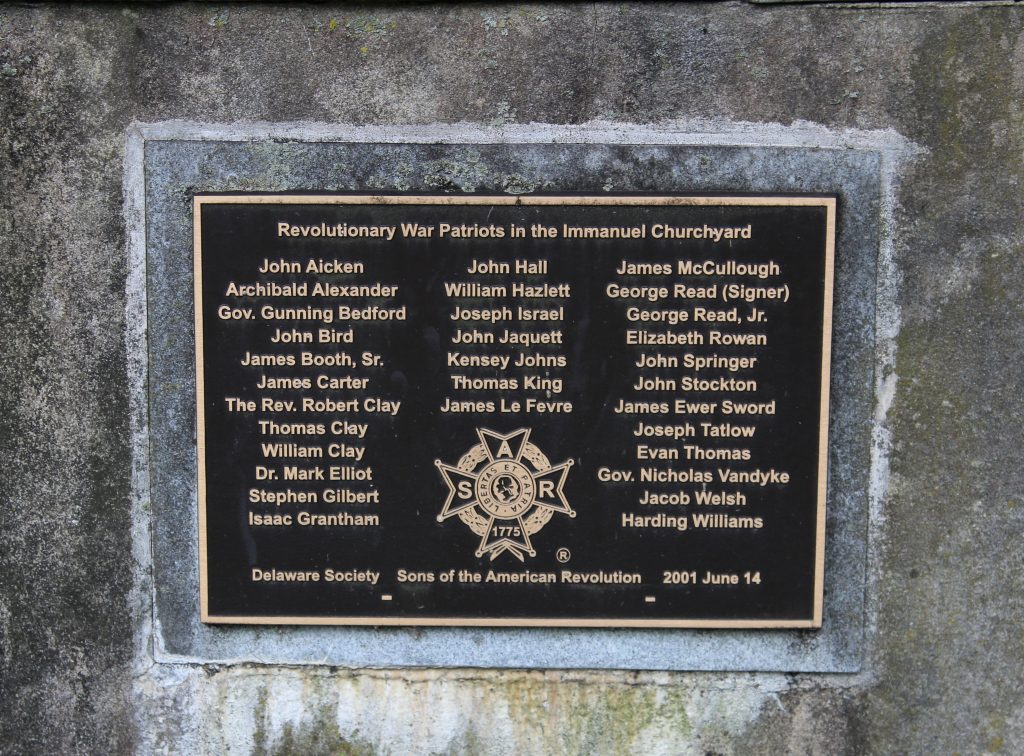
Missions and parishes under the Church of England grew rapidly around the start of the century, centered around areas such as New Castle. The city is home to Delaware’s oldest Church of England parish, Immanuel on the Green, which was founded in 1689.
However, Anglicanism did not become the majority religion in the colony, and its followers coexisted peacefully with other Christian denominations such as Quakers and Mennonites.
In the 1730s and 1740s, the First Great Awakening led to an increase in support for the Baptist Church in Delaware.
Originating from Europe, the movement aimed to create an evangelical revival, with preachers traveling across the Middle Colonies to promote their gospel. This fundamentally changed the Protestant movement in Delaware, causing many to move towards “New Light” congregations, with more progressive, evangelical sermons.
Beginning around the 1760s, Methodists began to move to Delaware in large numbers, further increasing the diversity of the Protestant movement in the colony.
Similar to Baptists, Methodists are a more evangelical denomination of Protestantism, with a focus on conversion and religious experimentation. Therefore, the Great Awakening, along with Delaware’s tolerance for different Christian denominations, made it an attractive place to settle.
Methodists also migrated to other parts of British North America, especially New York, Maryland, and Pennsylvania.
Religious minorities
Small numbers of Jews lived in Delaware from as early as the mid-1600s, mostly working as traders and merchants.
However, the Jewish population of Delaware remained small throughout the colonial period. Delaware did not have its first synagogue until more than a century after the end of the Revolutionary War.
Catholic populations were similarly small, and both groups were effectively excluded from holding elected office in Delaware. Catholics could vote if they met other wealth or land ownership requirements, but Jews generally could not, because those who had the right to elect representatives had to “possess faith in Jesus Christ.”
On the whole, Delaware was one of the more accepting American colonies for Catholics, along with Pennsylvania. Under Quaker principles of tolerance and freedom of conscience, Catholics were accepted in Delaware, legally at least, as they were monotheistic.