Contents
About the author

Edward A. St. Germain created AmericanRevolution.org in 1996. He was an avid historian with a keen interest in the Revolutionary War and American culture and society in the 18th century. On this website, he created and collated a huge collection of articles, images, and other media pertaining to the American Revolution. Edward was also a Vietnam veteran, and his investigative skills led to a career as a private detective in later life.
Contents
New Jersey was one of the most religiously diverse of the Thirteen Colonies, with no official church, and no significant religious majority.
Founding and early history
Prior to its capture by the English in 1664, parts of New Jersey were settled by Swedish and Dutch settlers, under their respective colonies of New Sweden and New Netherland.
Therefore, from the very beginning, the Province of New Jersey was quite pluralistic.
After New Jersey was officially founded, the English mostly allowed Swedish Lutheran and Dutch Reformed Church members to remain in the area. Then, the first British settlers began to arrive, further increasing the diversity of the colony.
The English wanted to attract European settlers to come to New Jersey, so although the colony’s two initial proprietors (Lord Berkeley and Sir George Carteret) were Anglican, they allowed for significant freedom of religion.
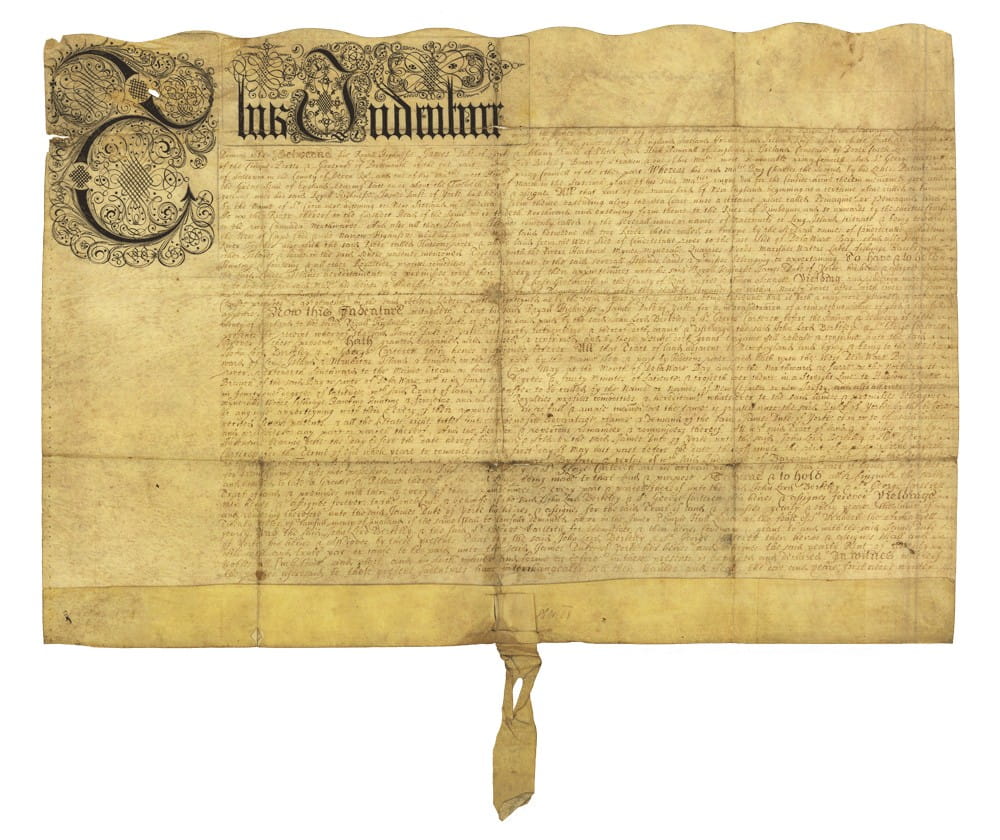
There was no official state church, and therefore there were no mandatory taxes that had to be paid to a given religious denomination.
As a result, large numbers of Quakers, Anglicans, Puritans, Baptists, and Presbyterians moved to New Jersey in the late 1600s and beyond. German Reformed and Lutheran groups also pushed into the interior of the colony over time.
While some of these migrants came from Europe, many moved from elsewhere in the Thirteen Colonies, especially Protestants who wanted to avoid paying mandatory taxes to a different denomination in colonies such as Connecticut and Massachusetts.
New Jersey’s geographic position in close proximity to Pennsylvania (Quaker), Maryland (Catholic/Anglican), and Connecticut (Congregational) further contributed to its pluralism from the very start of its history.
Limits to religious freedom
Though New Jersey was tolerant of different religions, there were limits to these freedoms.
Politicians had to recite religious oaths to hold public office, which Jews and Catholics could not repeat without violating their religious principles, effectively excluding them from joining the legislative assembly. However, Quakers were permitted to affirm (rather than swear) their truthfulness, allowing them to participate politically – this was not the case in most other Anglican or Puritan-dominated colonies.
An Act that the Solemn Affirmation and Declaration of the People called Quakers, shall be accepted Instead of an Oath in the Usual Form, and for Qualifying and Enabling the said People to serve as Jurors and to Execute any Office or Place of Trust within this Province.
– Enrolled Laws of the Royal Colony of New Jersey, 1714
Catholics were still shunned more broadly, as they were distrusted by members of most Protestant sects. Mass was often conducted in private, and the small numbers of Catholics in New Jersey were treated as second-class citizens.
East vs. West Jersey
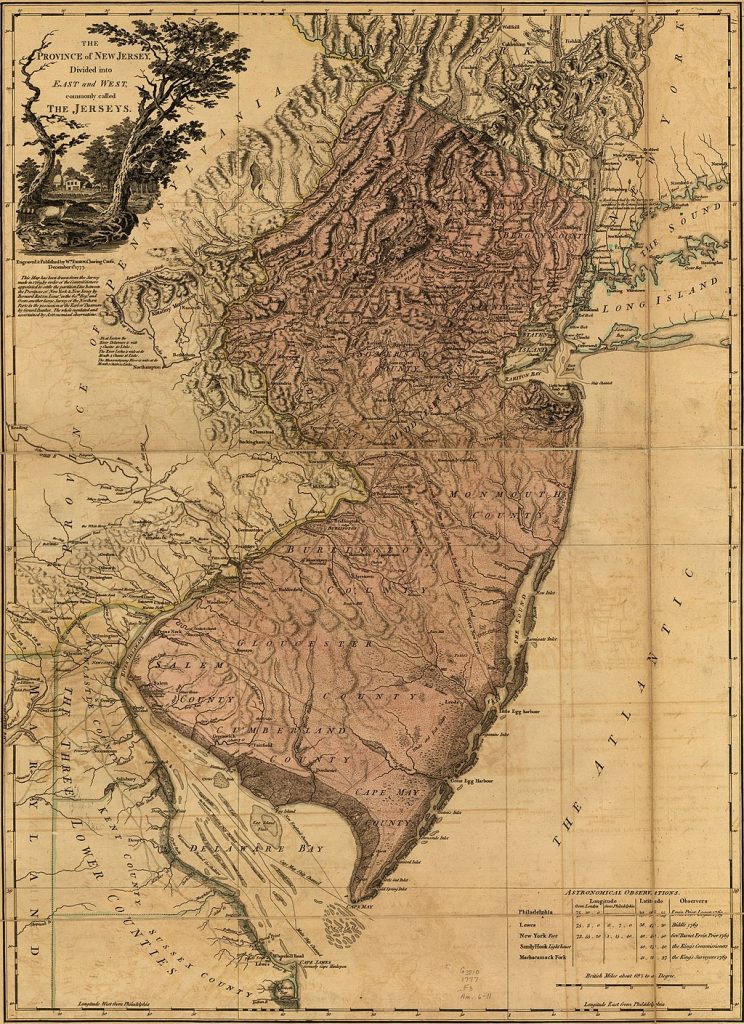
New Jersey was unique in that the colony had two distinct halves, each of which had quite a different social and religious makeup.
The two colonies were officially separated until they were united as the Province of New Jersey in 1702.
- West Jersey was heavily Quaker-influenced. The Quakers emphasized individual liberty, freedom of expression, and freedom of religion. West Jersey’s fundamental laws (1676) stated that “no person or persons whatsoever within the said Province… shall be… called in question, or in the least punished or hurt, either in person, estate, or priviledge, for the sake of his… faith or worship towards God.”
- East Jersey was more mixed. It was home to a melting pot of different Protestant denominations, including Dutch Reformed (especially in the northeast), Anglicans, and the Congregational Church.
Puritans founded Newark in 1666, aiming to create a tight-knit town with theocratic, New England-style governance, and the town remained dominated by Congregationalism during the colonial period.
On the other hand, Burlington was established by Quakers, and as a result, it had a much greater emphasis on open participation in government, and freedom of religion.
The Great Awakening
Beginning in the 1730s, there was a movement of religious revival known as the First Great Awakening, which swept through the Thirteen Colonies, including New Jersey.
Evangelical preachers gave rousing speeches, promoting a new, more exciting brand of Protestantism, aiming to create renewed interest in their religion.
Celebrities in their own right, preachers such as George Whitefield visited New Jersey multiple times, including coming to Basking Ridge in November 1740. They gave rousing speeches, promoting ideals of individualism and liberty, and challenging established religious institutions.
The Awakening split the Presbyterian movement in New Jersey, further increasing the religious diversity of the colony.
It also had a significant effect on the Dutch Reformed Church, thanks to the efforts of minister and preacher Theodorus Jacobus Frelinghuysen as early as the 1720s.
On the one hand, some worshippers (including many who had previously disengaged from religion) bought into the new, evangelical style of worship. On the other hand, many preferred the more traditional way of practicing their faith.
As a result, several Protestant sects split into “Old Light” and “New Light” factions, each creating their own congregations. New Light Presbyterians founded Princeton University (originally called the College of New Jersey) in 1746 to train ministers for their new brand of Presbyterianism.
Towards Revolution
By the mid-1700s, New Jersey was as pluralistic as ever.
The Anglican movement began to grow more quickly around the beginning of the century, but did not establish a significant majority as it did in other colonies.
It achieved this growth through heavy investment in missionary work, led by church members such as George Keith, and organized by the Society for the Propagation of the Gospel in Foreign Parts (SPG) based in London.
New Jersey remained Protestant, but was still arguably the most religiously diverse of the Thirteen Colonies until the Revolutionary War began.
After the Awakening, the colony became more religiously devout overall, as the movement resonated with people who previously did not attend church.
The Methodist movement took hold in New Jersey in the 1770s, expanding from Philadelphia, and latching onto Revival ideals. However, the movement’s members did not become substantial in number until after the American Revolution.