
Contents
About the author

Edward A. St. Germain created AmericanRevolution.org in 1996. He was an avid historian with a keen interest in the Revolutionary War and American culture and society in the 18th century. On this website, he created and collated a huge collection of articles, images, and other media pertaining to the American Revolution. Edward was also a Vietnam veteran, and his investigative skills led to a career as a private detective in later life.
Contents
The 56 men who signed the Declaration of Independence took a significant risk in putting their names to this most famous of documents.
In the eyes of the British, the Declaration was an act of treason against the Crown, and treason was punishable by death at the time.
Many of these men became famous in their day and are still household names in the 21st century. However, others lived the rest of their lives in almost complete poverty after being captured by the British, or after having their property and estates destroyed during the conflict.
Below, we have explained what happened to every man who signed this most famous document, ranging from the most famous Founding Fathers to those who died in obscurity.
1. John Adams (MA)
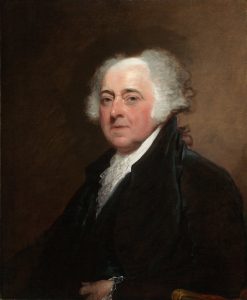
Worked as one of the new America’s most tireless politicians and diplomats, becoming the first Vice President, then eventually elected the second President of the United States in 1797.
After serving the highest position in the country, Adams retired to his farm, “Peacefield,” to reflect, write letters to ex-colleagues, and spend time with family.
Died: 1826
2. Samuel Adams (MA)
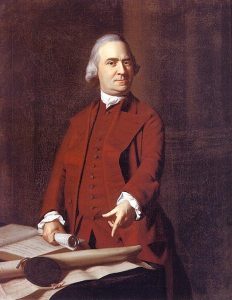
Remained involved in Massachusetts politics, working day-to-day to help the state through post-war issues relating to debt, unrest, and constitutional change.
He served as president of the state senate, and eventually took the position of Governor from 1794 to 1797.
Died: 1803
3. Josiah Bartlett (NH)
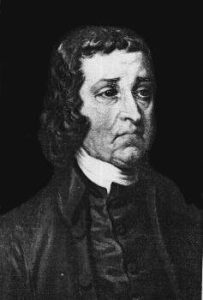
Became heavily involved in New Hampshire politics after the Revolution, shaping the political and legal structures of the state before becoming Governor in 1790.
He worked on ratifying the U.S. Constitution in the state, and also acted as the first president of the New Hampshire Medical Society from 1791.
Died: 1795
4. Carter Braxton (VA)
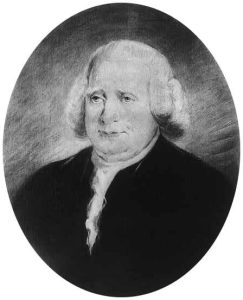
A plantation owner, Braxton fell into financial ruin after the war, saddled with large amounts of debt. However, he retained his home despite the efforts of debt collectors.
The British destroyed many of his farms during the fighting, and other land and business investments failed during the conflict and the economic collapse that came after. This included many investments that had been made with the main purpose of supporting the Patriot cause.
Died: 1797
5. Charles Carroll of Carrollton (MD)
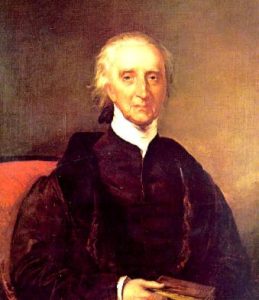
Remained incredibly wealthy despite his status as a Catholic outsider, owning plantations and serving in the Continental Congress from 1776 to 1778, then in the Maryland Senate from 1781 to 1800.
Carroll was the longest-living of any of the 56 signers.
Died: 1832
6. Samuel Chase (MD)
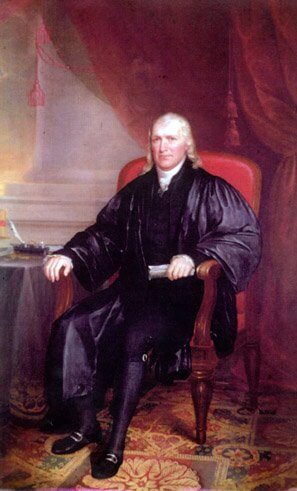
Became a justice of the Supreme Court before being impeached in 1804 as a result of partisan conflict between Federalists and Democratic-Republicans. He was acquitted, and returned to serve on the Court until his death.
Died: 1811
7. Abraham Clark (NJ)
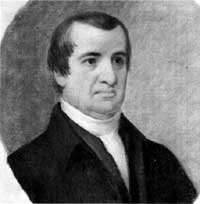
During the war, two of Clark’s sons were captured by the British as prisoners of war, though they were not targeted for their father’s political beliefs.
After serving on the Continental Congress, Clark worked as an elected representative in New Jersey state politics from 1780 to 1783 and from 1786 to 1788.
Died: 1794
8. George Clymer (PA)
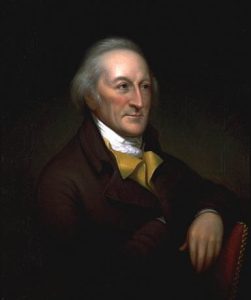
Worked on the fiscal side of nation-building in federal government, including in the U.S. Congress, building processes around banking, taxation, and the repayment of war debt.
Died: 1813
9. William Ellery (RI)
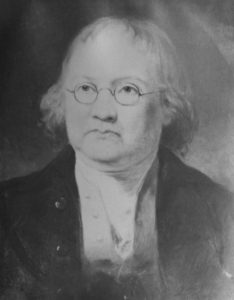
A former lawyer, Ellery became Chief Justice of Rhode Island’s Supreme Court after signing the Declaration. Later, he worked in a federal position tied to customs and port administration in Rhode Island.
Died: 1820
10. William Floyd (NY)
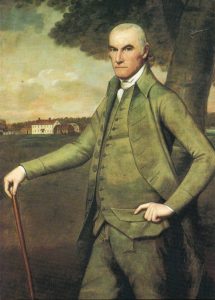
A plantation owner, many of Floyd’s assets, especially farmland, were destroyed during the Revolutionary War. His Long Island home was seized and used as a military headquarters for the British in 1776.
After the war, Floyd worked in the New York State Senate and represented New York in the First U.S. Congress. Though financially affected by the war, he was not left penniless by the time of his death.
Died: 1821
11. Benjamin Franklin (PA)
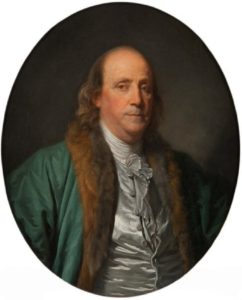
Became a crucial diplomat for the new United States in Europe, before returning to the country and remaining heavily involved in politics, including anti-slavery efforts.
Instrumental in negotiating the Treaty of Paris, and at 81, served as the oldest delegate to the Constitutional Convention of 1787.
Died: 1790
12. Elbridge Gerry (MA)
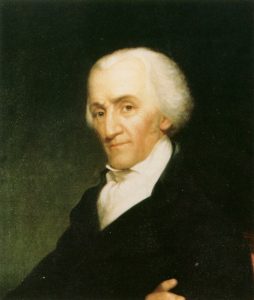
Continued his career in politics, helping to draft the Bill of Rights, and advocating for minimal federal government. Gerry served as the fifth Vice President of the United States under James Madison from 1813 until his death in office in 1814.
Died: 1814
13. Button Gwinnett (GA)
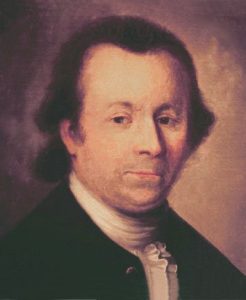
Became heavily involved in politics in Georgia, becoming the acting Governor in 1777. Died after a pistol duel with fierce political rival Lachlan McIntosh on May 16 of that year.
Died: 1777
14. Lyman Hall (GA)
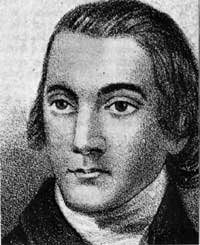
A member of the Continental Congress, Hall fled Georgia when the British arrived in 1780. The occupiers seized his property, including freeing his slaves, and destroyed his plantation.
Hall returned to Georgia in 1782 and served as Governor from 1783 to 1784.
Died: 1790
15. John Hancock (MA)
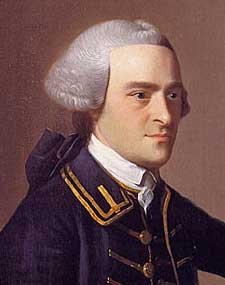
Became Governor of Massachusetts, managing state instability and financial difficulties post-Revolution. Faced chronic health problems but was a popular leader.
Died: 1793
16. Benjamin Harrison (VA)
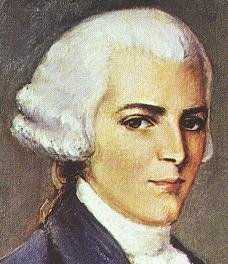
A wealthy plantation owner and politician, Harrison remained a key figure in Virginia politics after signing the Declaration, and became Governor of the state in 1781. He served in the Virginia House of Delegates until his death in 1791.
Died: 1791
17. John Hart (NJ)
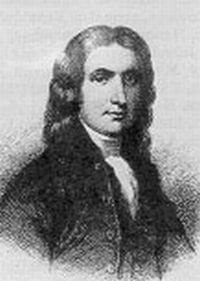
Hart was significantly affected by the war – he suffered constant danger as the conflict raged around his farmland in New Jersey. His property was ransacked by British and Hessian troops, and he died of poor health before the war ended.
Died: 1779
18. Joseph Hewes (NC)
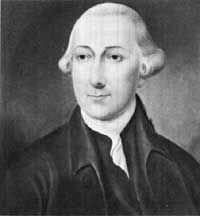
Hewes served as a Congressman after signing the Declaration, working on the Continental Navy, and organizing other wartime infrastructure. He donated his personal fleet of merchant ships to be used by Patriot armed forces.
Died: 1779
19. Thomas Heyward Jr. (SC)
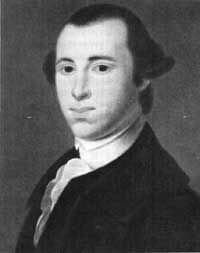
Captured by the British during the Siege of Charleston, Heyward Jr. was kept as a prisoner of war until 1781. In the meantime, his plantations in his home state of South Carolina were ransacked.
After being released, he resumed civic life as a judge and legislator in his home state.
Died: 1809
20. William Hooper (NC)
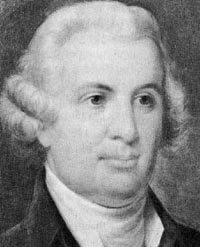
Served as a state legislator and judge in North Carolina after having worked in the Continental Congress. Hooper suffered financially as a result of the war, with much of his property damaged by the British, who burned his home and plantation.
Died: 1790
21. Stephen Hopkins (RI)
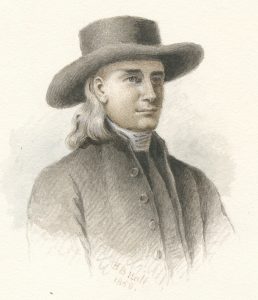
One of the most experienced politicians in Rhode Island, Hopkins continued to serve his state while his health failed him. He signed the Declaration supporting his right hand with his left.
After leaving the Continental Congress due to poor health, he worked in Rhode Island’s general assembly from 1777 to 1779.
Died: 1785
22. Francis Hopkinson (NJ)
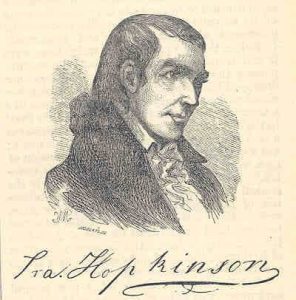
Trained as a lawyer, Hopkinson was a prolific writer supporting the Patriot cause, and went on to become judge of Pennsylvania’s Admiralty Court. He later served on the U.S. District Court for the District of Pennsylvania.
Died: 1791
23. Samuel Huntington (CT)
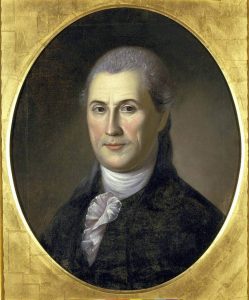
Became President of the Continental Congress from 1779 to 1781, before serving as Governor of Connecticut from 1786 until his death.
Died: 1796
24. Thomas Jefferson (VA)
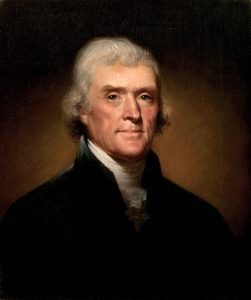
Served as the Governor of Virginia before becoming a diplomat and eventually the third President of the United States in 1801. Worked in politics with a focus on education and shaping the social fabric of America.
Died: 1826 (the same day as John Adams, July 4 – the 50th anniversary of the Declaration of Independence)
25. Francis Lightfoot Lee (VA)
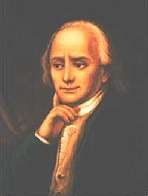
One of the few Founding Fathers who stepped away from politics, Lee retired to care for his plantation after leaving the Virginia House of Delegates in 1781.
Died: 1797
26. Richard Henry Lee (VA)
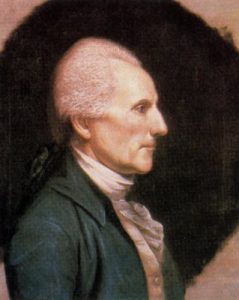
Lee served on the Continental Congress until becoming its leader in 1784. He remained one of Virginia’s most important early politicians, helping it adopt the Bill of Rights, and fighting for protections for individual liberty.
Died: 1794
27. Francis Lewis (NY)
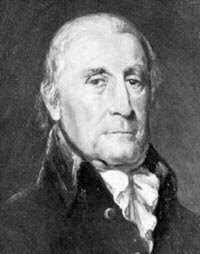
Lewis was a member of the Continental Congress whose wife was arrested by the British during the 1776 Battle of Long Island. His home was also destroyed during the fighting.
His wife was released during a prisoner exchange, but died soon after due to the poor conditions she faced in custody. Lewis never remarried, and later served as a vestryman at Trinity Church in Manhattan.
Died: 1802
28. Philip Livingston (NY)
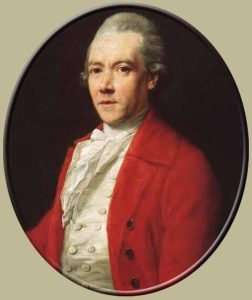
Served in the Continental Congress and the New York State Senate after signing the Declaration, before his untimely death from illness while attending a congressional session just two years later.
Died: 1778
29. Thomas Lynch Jr. (SC)
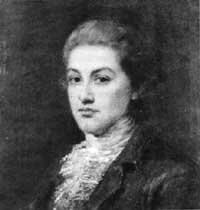
A member of the Continental Congress, Lynch Jr. died suddenly when he and his wife disappeared while traveling by boat across the Atlantic to France. At age 30, he became the youngest signer of the Declaration to pass away.
Died: 1779
30. Thomas McKean (DE)
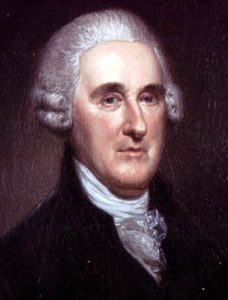
Served as Pennsylvania’s chief justice from 1777 to 1799, with a short stint as president of the Continental Congress in 1781, before becoming governor of the state in 1799. McKean was one of the most important players in Pennsylvania’s post-war political sphere.
Died: 1817
31. Arthur Middleton (SC)
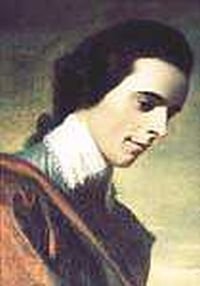
A member of the colonial elite, Middleton was heavily involved in South Carolinian politics, and was captured by the British during the Siege of Charleston. During his imprisonment, his estates were damaged by the British Army.
After the war, Middleton rejoined the Continental Congress and the South Carolina legislature.
Died: 1787
32. Lewis Morris (NY)
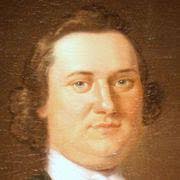
Remained heavily involved in politics in his home state, serving in the Continental Congress, and working as a judge in Westchester County. Later, Morris joined the New York State Senate, and was on the first Board of Regents for the University of the State of New York.
Died: 1798
33. Robert Morris (PA)
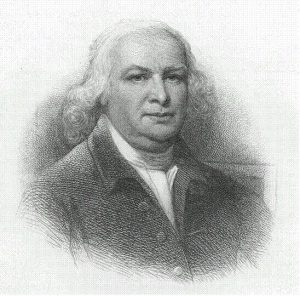
Morris is considered one of the architects of the American financial system, and a financier of the Revolution. He worked in the Continental Congress before becoming a senator in 1789, where he was involved in defense and finance.
Ironically, Morris suffered financial collapse towards the end of his life due to land speculation and business deals that went south. He was bankrupt and sent to jail for his debts, before living out the rest of his years at his modest home on the outskirts of Philadelphia.
Died: 1806
34. John Morton (PA)
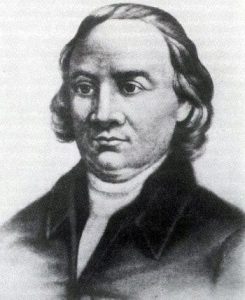
Served in the Continental Congress and as associate justice of the Pennsylvania Supreme Court, working on the Articles of Confederation before dying of illness aged just 51.
Died: 1777
35. Thomas Nelson Jr. (VA)
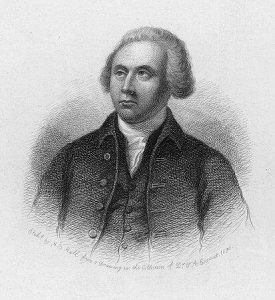
Nelson personally financed the war effort in Virginia, before becoming Governor of the state in 1781. He ordered George Washington to fire on his own home during the Siege of Yorktown, which the British had seized and were using as a base.
He suffered significant financial loss as a result of the war, also in part due to damage done to his family plantations.
Died: 1789
36. William Paca (MD)
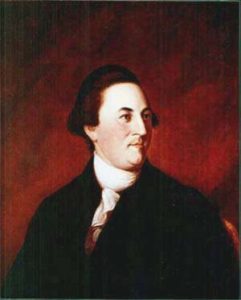
Remained heavily involved in Maryland politics, serving as the state’s third Governor from 1782 to 1785, helping to rebuild Maryland during the immediate postwar period.
In 1789, Paca was appointed by President George Washington as judge of the U.S. District Court for Maryland.
Died: 1799
37. Robert Treat Paine (MA)
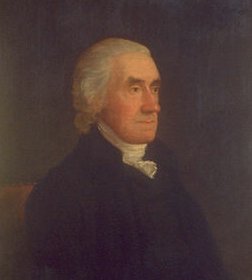
A trained lawyer, Paine dedicated his professional life to the Massachusetts judicial system after the war was won.
He served as the first attorney general of Massachusetts and later as a justice of its Supreme Judicial Court.
Died: 1814
38. John Penn (NC)
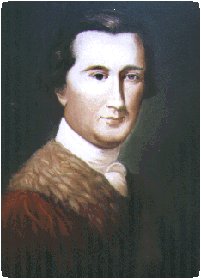
Continued representing North Carolina in the Continental Congress, helping ratify the Articles of Confederation on behalf of the new state. Penn later resumed legal practice until his death in 1788.
Died: 1788
39. George Read (DE)
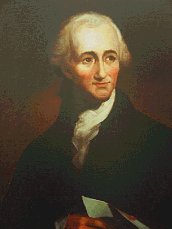
Remained heavily involved in Delaware and national politics, signing the U.S. Constitution, and serving as a U.S. Senator from 1789 to 1793. He resigned from the Senate to become Chief Justice of Delaware, a position he held until his death.
Died: 1798
40. Caesar Rodney (DE)
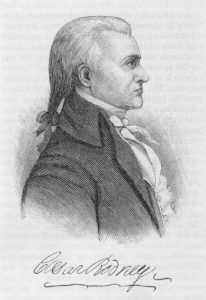
A dedicated Delaware delegate to the Second Continental Congress, Rodney went on to become Governor of the state from 1778 to 1781. Despite suffering from constant illness, Rodney was instrumental in organizing militia and troop movements throughout the Revolutionary War, leading to a close relationship with George Washington.
Died: 1784
41. George Ross (PA)
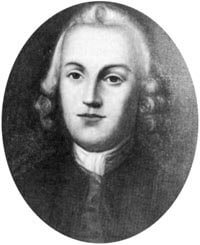
Remained heavily involved in Pennsylvania judicial and legal matters, becoming vice president of the Pennsylvania Assembly in 1778, and was later appointed judge of the Pennsylvania Court of Admiralty before his death in 1779.
Died: 1779
42. Benjamin Rush (PA)
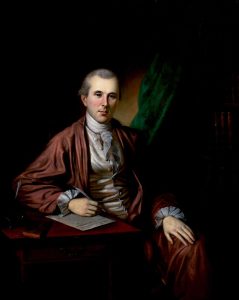
A controversial figure for his outspoken positions, Rush worked on educational and philanthropic endeavors, and became known as the father of American psychiatry.
He was later appointed treasurer of the U.S. Mint, a position he held from 1797 until his death.
Died: 1813
43. Edward Rutledge (SC)
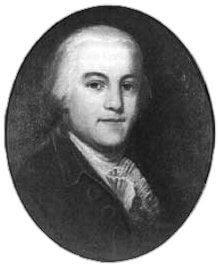
Captured during the Siege of Charleston in 1780, Rutledge returned to South Carolina politics and remained a major figure in the state’s post-war leadership after his release. He twice declined Washington’s invitation to serve on the U.S. Supreme Court, and died in 1800 while working as Governor of his home state.
Died: 1800
44. Roger Sherman (CT)
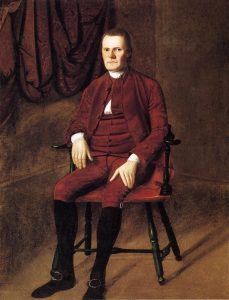
A self-taught lawyer from a modest background, Sherman worked in the Continental Congress. He later went on to negotiate the Connecticut Compromise – establishing equal representation in the Senate and proportional representation in the House for each state, and forming the basis of the modern U.S. legislative system.
Died: 1793
45. James Smith (PA)
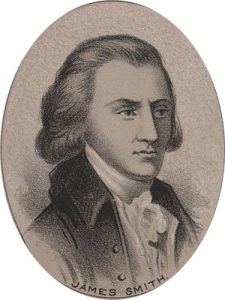
Participated in government in Pennsylvania, helping with matters surrounding local governance and defense during the war. Smith later left politics in 1785, returning to work in the legal profession in his home state.
Died: 1806
46. Richard Stockton (NJ)
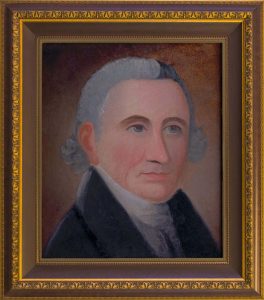
One of the sadder stories of the 56 signers, Stockton was captured by Loyalists and turned over to the British shortly after signing the Declaration. He suffered harsh treatment in captivity, and though he was released the year after, his health suffered, and his possessions were plundered.
He resigned from Congress in part due to poor health, and lived the rest of his life in relative obscurity.
Died: 1781
47. Thomas Stone (MD)
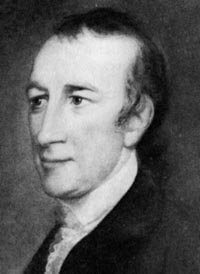
A cautious, conservative politician hailing from a wealthy family, Stone worked as a Maryland State Senator after signing the Declaration. He stayed in this role from 1779 to 1783 while taking care of his ill wife, Margaret.
Margaret passed away in 1787, and Thomas, deeply affected, also died four months later.
Died: 1787
48. George Taylor (PA)
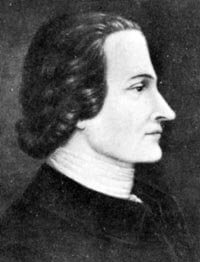
An ironmaker and factory owner, Taylor directly contributed to the war effort, producing munitions and weapons for the Continental Army while attending the Continental Congress as a representative of Pennsylvania.
However, his work had a significant impact on his health, and he died before the war was won.
Died: 1781
49. Matthew Thornton (NH)
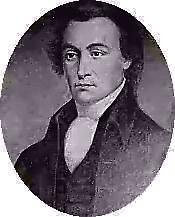
Became active in New Hampshire’s revolutionary and post-war government, serving in the state legislature, and working as a judge. In later life, Thornton retired to Merrimack, NH, and operated a farm and a tavern.
Died: 1803
50. George Walton (GA)
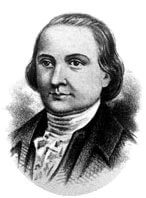
Worked on the frontlines and in Georgia’s military leadership, being captured by the British during the occupation of Savannah.
He became Governor of the state for just two months in 1779, before returning to the position in 1789. Later, Walton was appointed Chief Justice of Georgia’s Superior Court, before being elected a U.S. Senator in 1795.
Died: 1804
51. William Whipple (NH)
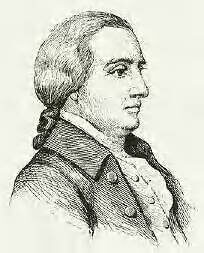
Represented New Hampshire in the Second Continental Congress, working in logistical and military matters, including leading troops during key northern campaigns, such as the Battles of Saratoga.
After the war, Whipple returned to politics in New Hampshire and worked as an associate justice of the state’s Superior Court.
Died: 1785
52. William Williams (CT)
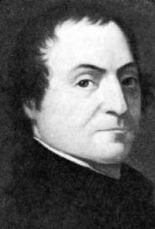
Staunchly pro-independence, Williams continued to perform often-thankless work in Connecticut civil affairs after signing the Declaration. He also served as a colonel in the state’s militia during the Revolutionary War, and at times supplied his forces with his own resources.
Post-war, Williams worked in the Connecticut House of Representatives. He also served as a judge in the state, and as a pastor at the First Congregational Church in Lebanon.
Died: 1811
53. James Wilson (PA)
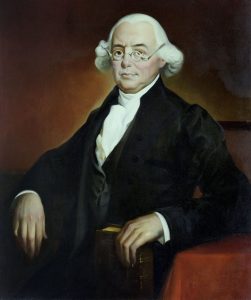
Considered one of the sharpest Patriot minds and a thought leader of the Revolution, Wilson played a significant role in drafting the Constitution, and was an Associate Justice of the first Supreme Court of the United States.
However, financial speculation left Wilson deeply in debt during his later years, and he died in relative obscurity.
Died: 1798
54. John Witherspoon (NJ)
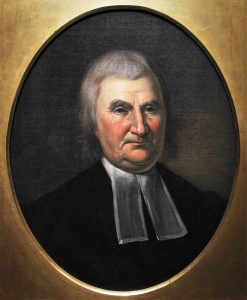
Worked on nation-building, especially in education and religion, serving in Congress while working as a Presbyterian minister.
In 1777, many of Witherspoon’s possessions and notes were lost when the British destroyed Nassau Hall at Princeton University (then called the College of New Jersey). After the war, he spent considerable amounts of time and money repairing the building.
Known as a workaholic, Witherspoon served in Congress until 1784, before being struck by blindness later in life.
Died: 1794
55. Oliver Wolcott (CT)
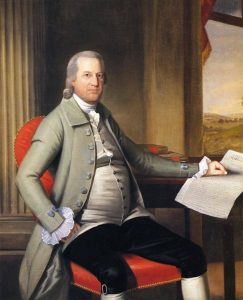
Worked in Connecticut’s military and political leadership throughout the war, and led forces as a major general on the battlefield.
Post-war, Wolcott rose through the political ranks and eventually became Governor of Connecticut in 1796, before dying in office the following year.
Died: 1797
56. George Wythe (VA)
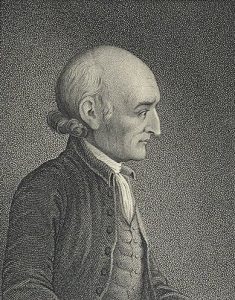
Wythe became a legal academic, appointed America’s first professor of law at the College of William & Mary. He also influenced political philosophy during and after the war, promoting enlightenment ideals and emphasizing the public duty of lawyers.
Wythe was later appointed chancellor of Virginia in 1778, before being poisoned by his grand-nephew in 1806.
Died: 1806